Find the Support You Need
Whether you need help right now, are struggling to afford care, or are looking for ongoing support, start here to find trusted resources and a clearer path forward.

I Need Help Right Now
If you are in emotional distress, experiencing a mental health crisis, or concerned about someone’s immediate safety, connect with crisis support that can help you determine the next step.
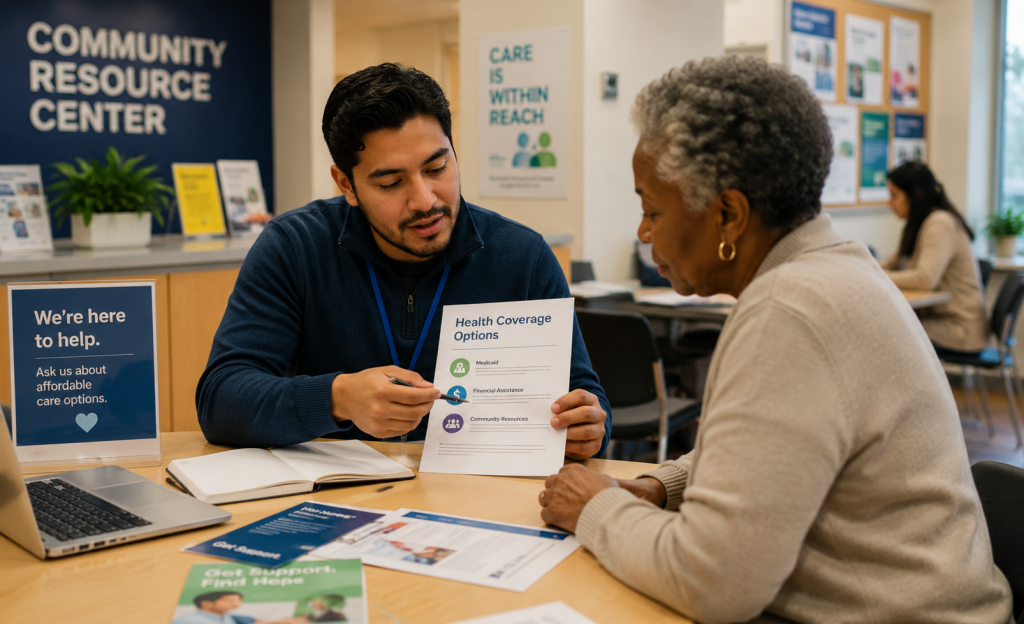
I Need Affordable Care
Explore free, low-cost, sliding-scale, Medicaid, public, nonprofit, and community-based options that can make mental health care more financially accessible.

I Need Ongoing Support
Find pathways to therapy, psychiatry, peer support, support groups, community mental health services, and other forms of continuing care.
Find the Right Kind of Support
Mental health needs are not one-size-fits-all. Explore pathways for immediate crisis support, affordable treatment, and guidance for families and caregivers helping someone they care about.

Crisis Support
When the situation feels urgent, connect with trained crisis professionals who can provide immediate support, help assess next steps, and identify appropriate local services.

Affordable Care Options
Explore Medicaid, community mental health programs, sliding-scale services, nonprofit providers, and other pathways designed to reduce the financial barriers to care.

Support for Families and Caregivers
Supporting someone through a mental health crisis or ongoing condition can be overwhelming. Find resources for families, caregivers, and loved ones seeking guidance, education, and support of their own.
Finding Mental Health Support: Common Questions
Mental health systems can be difficult to navigate, especially when help is needed quickly. Start here to identify the type of support that best fits your situation.
What should I do if I’m experiencing a mental health crisis?
If you need immediate emotional support, connect with a crisis service such as 988 in the United States. If there is an immediate threat to life or physical safety, contact local emergency services.
How can I find affordable mental health care?
Contact your insurance or state Medicaid program, community mental health centers, federally qualified health centers, nonprofit providers, and sliding-scale services. Eligibility, coverage, and costs vary by location and program.
How can I support someone who is struggling?
Listen without judgment, take concerns seriously, and ask what kind of support would be helpful. You can also connect with family and caregiver resources for guidance while protecting your own well-being.
What options are available for ongoing support?
Depending on your needs, ongoing support can include counseling, psychiatric care, peer support, family services, support groups, case management, and community-based programs.
Where can I find support for specific communities?
Some organizations provide specialized support for LGBTQ+ people, veterans, disabled people, older adults, caregivers, young people, and other communities. Explore resources designed around the experiences and needs of the people they serve.
What if I don’t know what kind of help I need?
You do not need to understand the mental health system before asking for help. A crisis counselor, healthcare professional, community mental health program, or trusted support organization can help you identify appropriate next steps.

Not Sure Where to Start?
Finding the right kind of mental health support can be confusing, especially when you are already overwhelmed. Use trusted national resources to identify crisis services, treatment options, support groups, and other forms of care that fit your situation.