About the Creator
Founder and Author
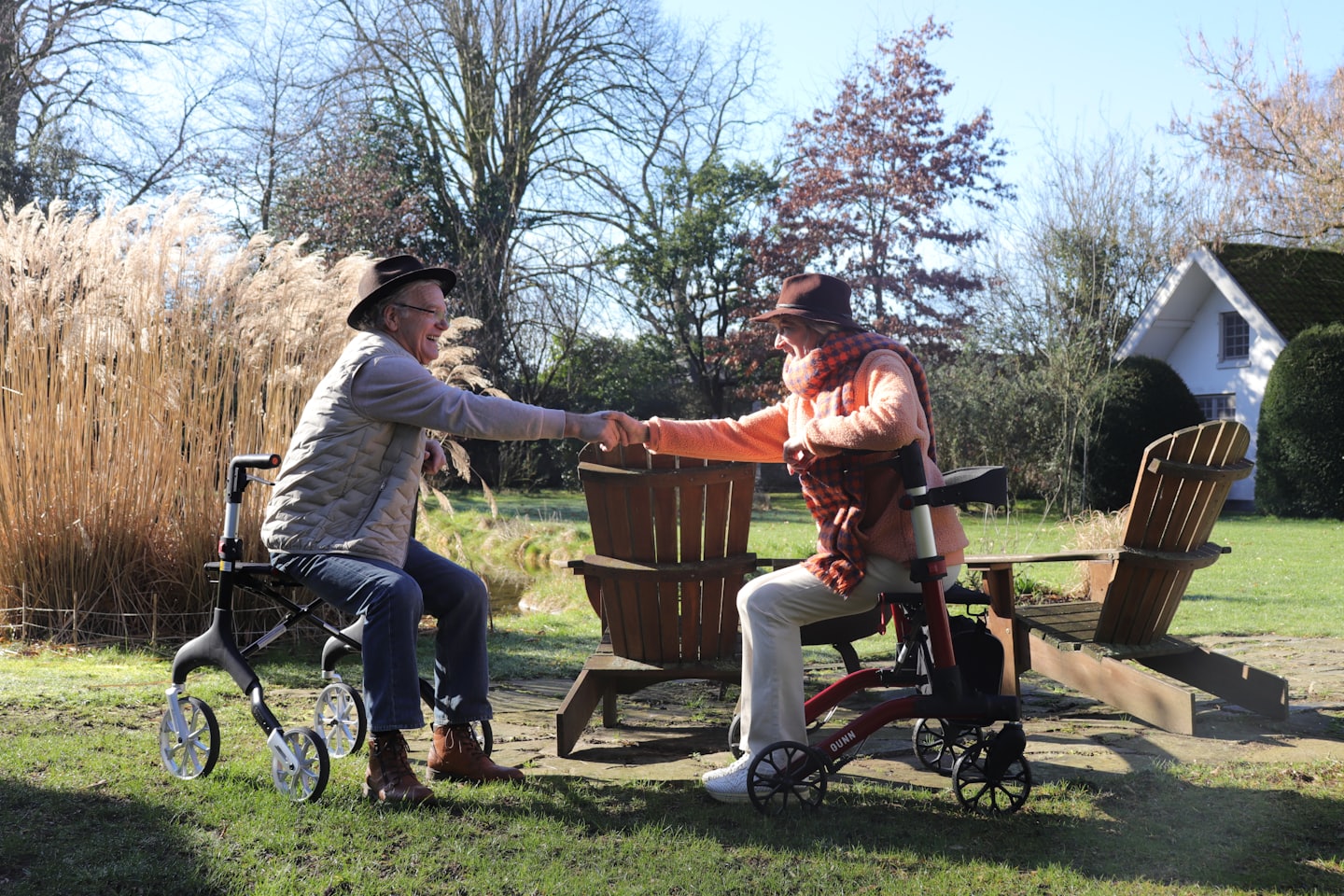
I have lived with cerebral palsy since birth, an experience that has shaped how I understand disability, access, and the systems that influence human opportunity. Over time, I came to recognize that barriers rarely exist in isolation. Education, family circumstances, financial means, health, social expectations, and institutional structures interact in ways that can either expand or restrict a person’s ability to participate fully in everyday life.
My graduate training in gerontology strengthened that perspective by adding a life-course lens. Experiences accumulate. Opportunities gained or lost in one stage of life can influence what becomes possible in the next.
Beyond Absurdity grew from the intersection of those lived and professional perspectives. Through writing, advocacy, research, and systems analysis, I explore what it takes to create environments where dignity, accessibility, self-determination, and belonging are more than aspirations.
A Lived and Systems-Based Perspective
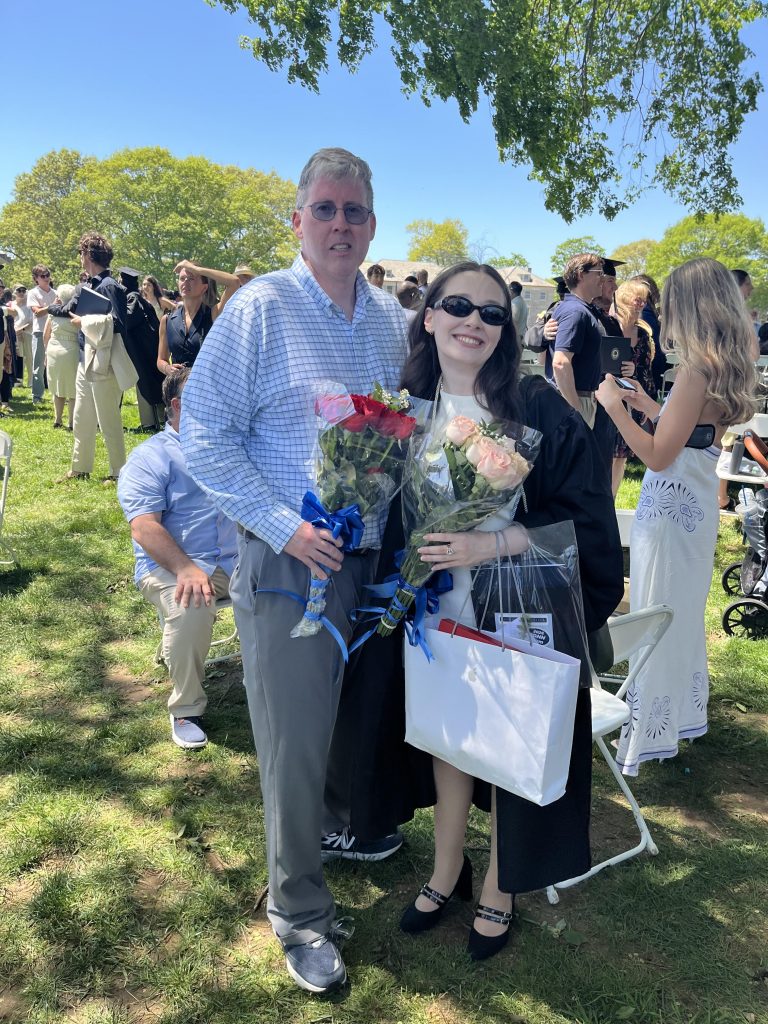
My perspective is shaped by the intersection of lived disability, family dynamics, professional training, and a life-course understanding of how opportunities and barriers accumulate over time.

Lived Experience & Family Dynamics
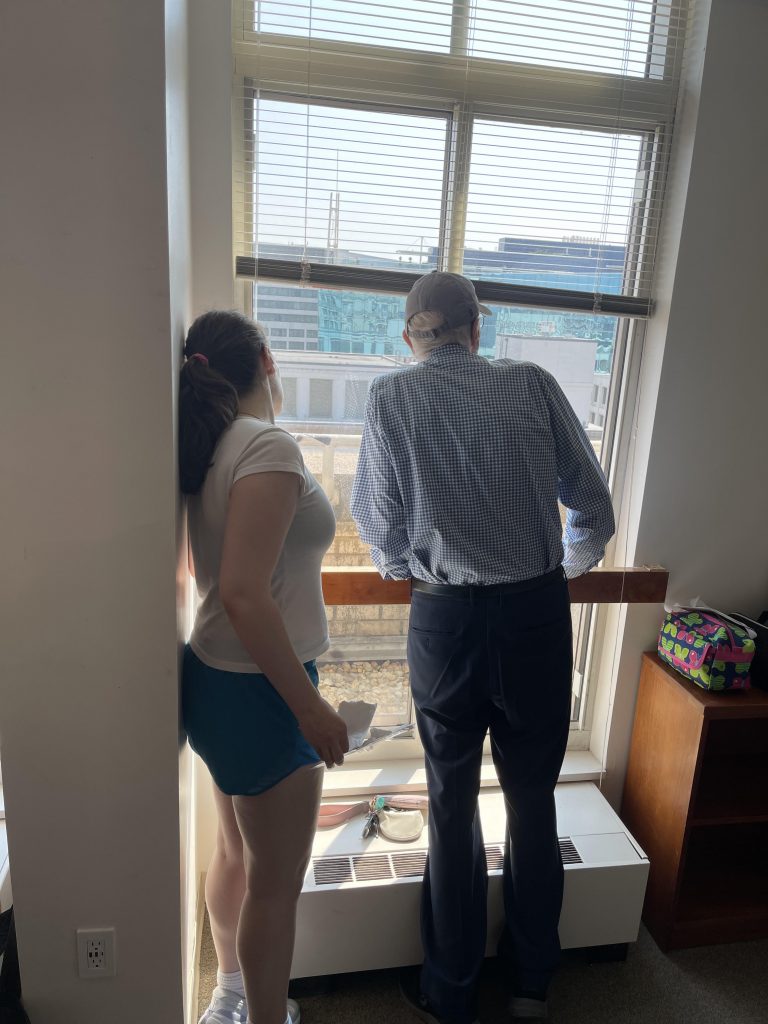
Living with cerebral palsy has given me a direct understanding of how much effort participation can require when environments, expectations, and systems are poorly aligned with disability. My experiences navigating my own disabilities within a neurodivergent family have expanded that perspective, revealing how disability can reshape caregiving, communication, employment, finances, and the daily organization of family life. Capability can obscure much of that effort, making barriers less visible even when their cumulative impact is significant.

Life-Course Perspective
My foundational coursework in sociology and graduate training in gerontology strengthened my understanding of how social, educational, economic, family, and health experiences interact across a lifetime. Opportunities gained or lost at one stage can influence confidence, access, well-being, and future possibilities.

Systems-Driven Outlook
I examine disability within the broader systems that shape everyday life. Families, institutions, financial resources, public policy, education, healthcare, and the built environment can either expand meaningful opportunity or make participation substantially harder than it needs to be.
The Invisible Tax
A closer look at the hidden effort disabled and neurodivergent people often expend navigating environments and systems that were not designed with their needs in mind.
The Invisible Tax of Disability
Some of the greatest costs of disability are difficult to see.
For disabled and neurodivergent people whose capabilities can obscure their support needs, everyday participation may require significantly more physical, cognitive, emotional, logistical, and financial effort than others realize. Navigating inaccessible environments, compensating for poorly designed systems, managing fatigue, advocating for accommodations, and continually adapting to expectations can consume substantial energy even when the outcome looks ordinary from the outside.
That hidden effort creates what I think of as an invisible tax.
Its effects can accumulate over time. The result may be overwhelm, burnout, delayed progress, or missed opportunities, not because a person lacks ability or ambition, but because so much capacity is spent simply navigating barriers that others do not have to absorb.
Capability does not eliminate barriers. Sometimes capability merely makes the cost of overcoming them less visible.
Understanding that distinction is essential for anyone seeking to create more inclusive workplaces, schools, services, communities, and systems.

Fostering Belonging and Long-Term Accessibility
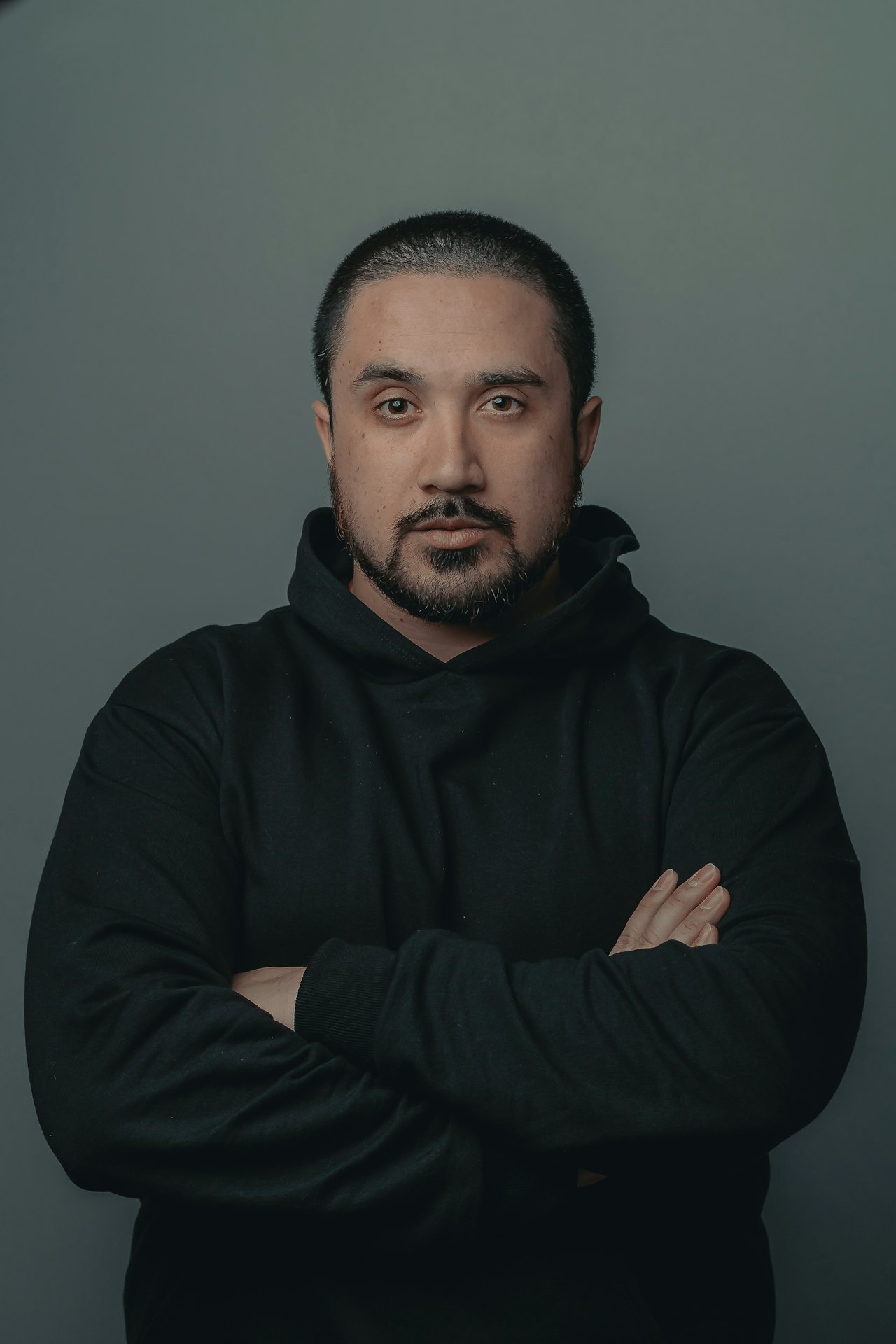
Belonging requires more than being welcomed into a space. It depends on whether people can participate meaningfully, safely, and sustainably once they are there.
For disabled and neurodivergent people, accessibility is often treated as a one-time adjustment rather than an ongoing relationship between people, environments, and systems. A workplace, school, service, or community may technically provide access while still placing the burden of adaptation almost entirely on the individual.
My perspective is shaped by the belief that long-term accessibility requires more than compliance. It requires environments and institutions that are responsive to changing needs, attentive to lived experience, and willing to reconsider assumptions about how participation should look.
When accessibility is designed with belonging in mind, people are given more than entry. They are given a stronger foundation for confidence, contribution, self-determination, and sustained participation across the life course.
Navigating Disability and Family Dynamics
Disability rarely affects one person in isolation. It can reshape family roles, caregiving responsibilities, communication, employment, finances, and the practical organization of daily life. Those effects also extend beyond the household, influencing schools, workplaces, healthcare systems, community participation, and the broader social structures that determine who has meaningful access to opportunity.
My own family has had to navigate many of those intersections across considerable geographic distance. Although I spend significant periods away from my wife and son, I remain actively involved in family life through regular communication, video calls with my son, remote participation with members of his care team, and providing as much financial support as possible. Even with those efforts, our family continues to face financial shortfalls that constrain the choices available to us. Distance changes the form of participation, but it does not erase the responsibilities, decisions, or emotional and financial investment that come with being part of a complex neurodivergent family.
These experiences have reinforced my understanding of disability through an integrative systems lens. A challenge involving behavioral support, education, healthcare, employment, or finances rarely remains confined to one category. It can alter schedules, increase caregiving demands, restrict professional flexibility, affect psychological well-being, and change how a family interacts with its surrounding community. At a larger scale, inadequate supports can also contribute to reduced workforce participation, diminished educational opportunity, greater pressure on public systems, social isolation, and lost contributions to community life.
Families often respond by adapting in unconventional ways, redefining work, caregiving, advocacy, responsibilities, and expectations around what a sustainable life can look like. For me, these realities have deepened the connection between disability advocacy and family systems thinking. Meaningful support must account for the needs of the individual while also recognizing the capacity and well-being of the family, the accessibility of the surrounding community, and the larger systems that shape which opportunities are realistically available.
Why Beyond Absurdity Exists
Beyond Absurdity grew from lived experience, professional training, family realities, and an increasing desire to understand why so many systems remain difficult to navigate for people whose lives do not fit conventional expectations.
Through writing, advocacy, research, and systems analysis, I examine how disability, family structures, socioeconomic resources, aging, education, public policy, and the built environment shape access to opportunity across the life course.
The goal is larger than identifying barriers. I want Beyond Absurdity to help create space for deeper questions about belonging, self-determination, accessibility, and what meaningful participation actually requires.
If these ideas resonate with you, I invite you to explore the work, challenge assumptions alongside me, and consider how stronger systems can expand opportunity for individuals, families, and communities.